
The Humanist Photojournalist
Eve Arnold was the humanist photojournalist in search of truth — always looking beyond the persona to the person, beyond the headline to the real story.
From Marilyn Monroe’s moments of vulnerability to Harlem’s vibrant fashion scene, from political icons to migrant workers, she got to the heart of the matter and the heart of the viewer.

Congratulations Eve!
On 1st November 2024 Eve Arnold was inducted into the International Photography Hall of Fame. She joins a prestigious list of some of the greatest photographers of all time.
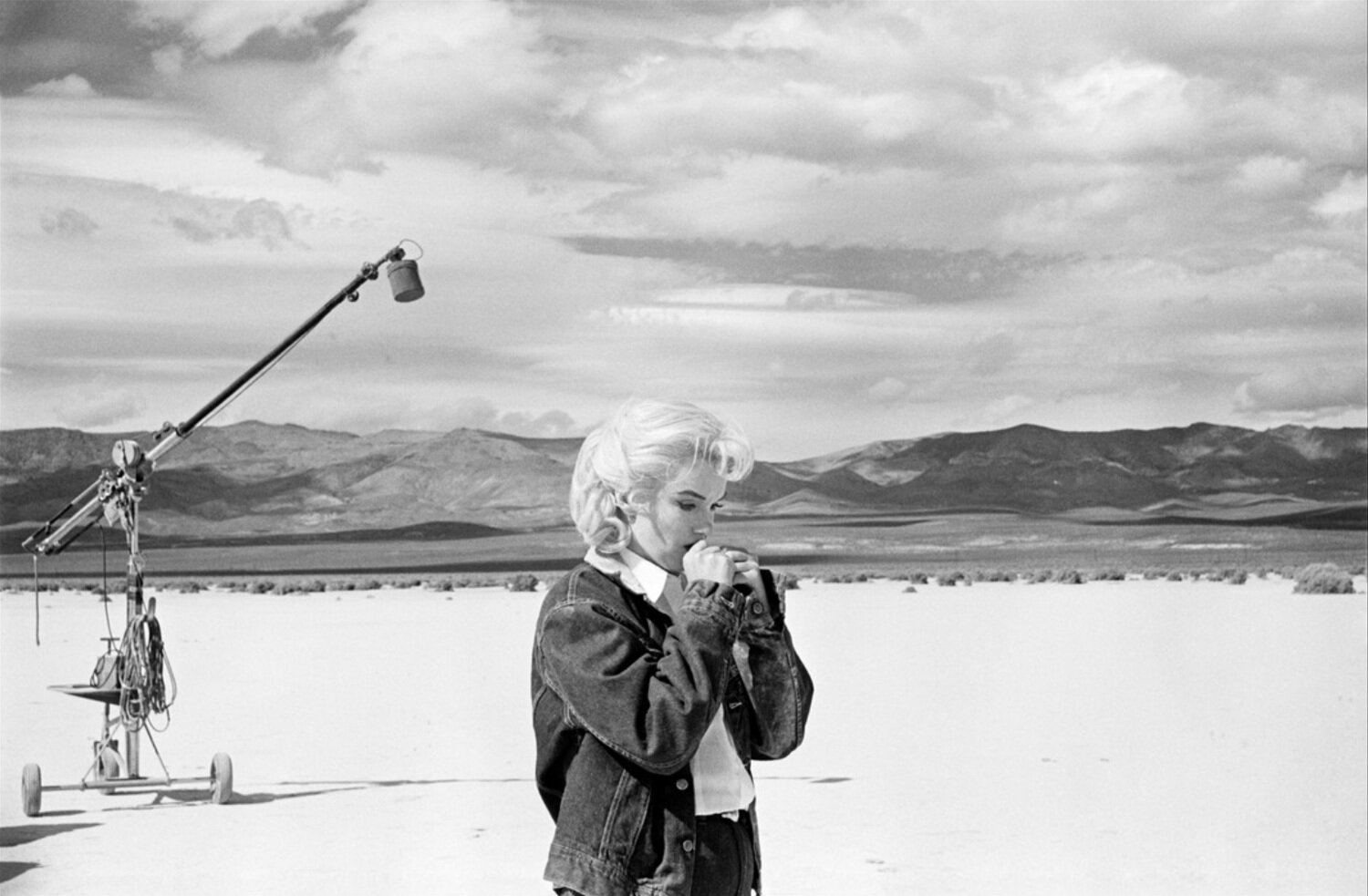
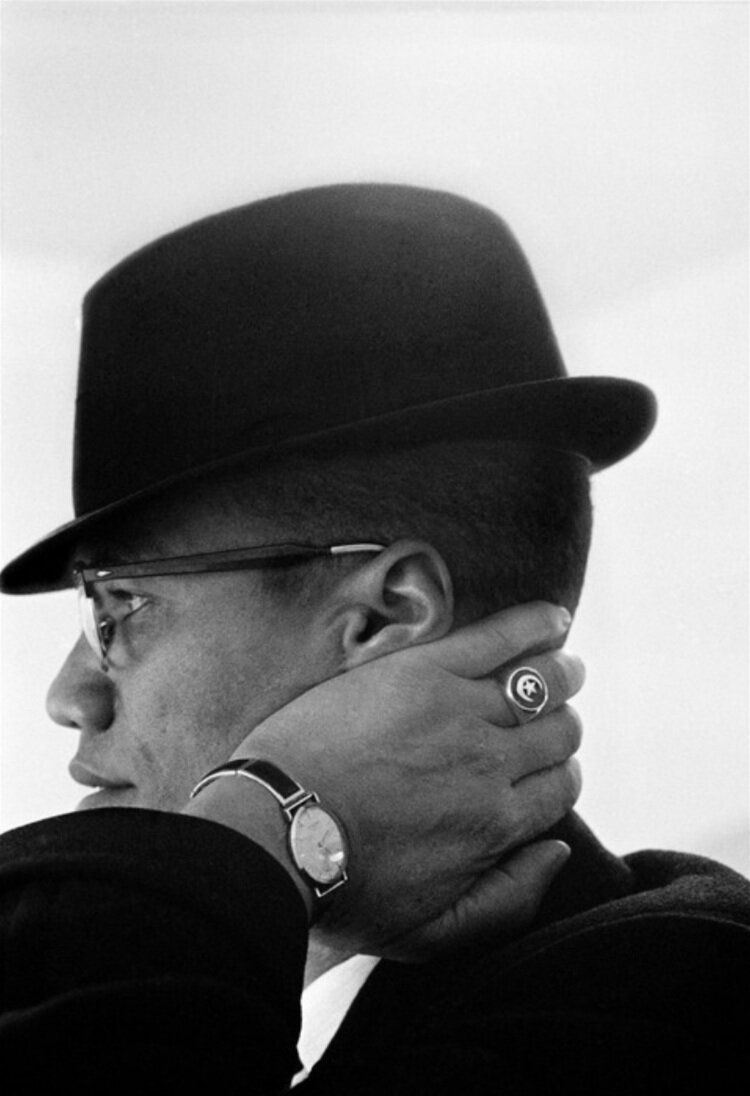
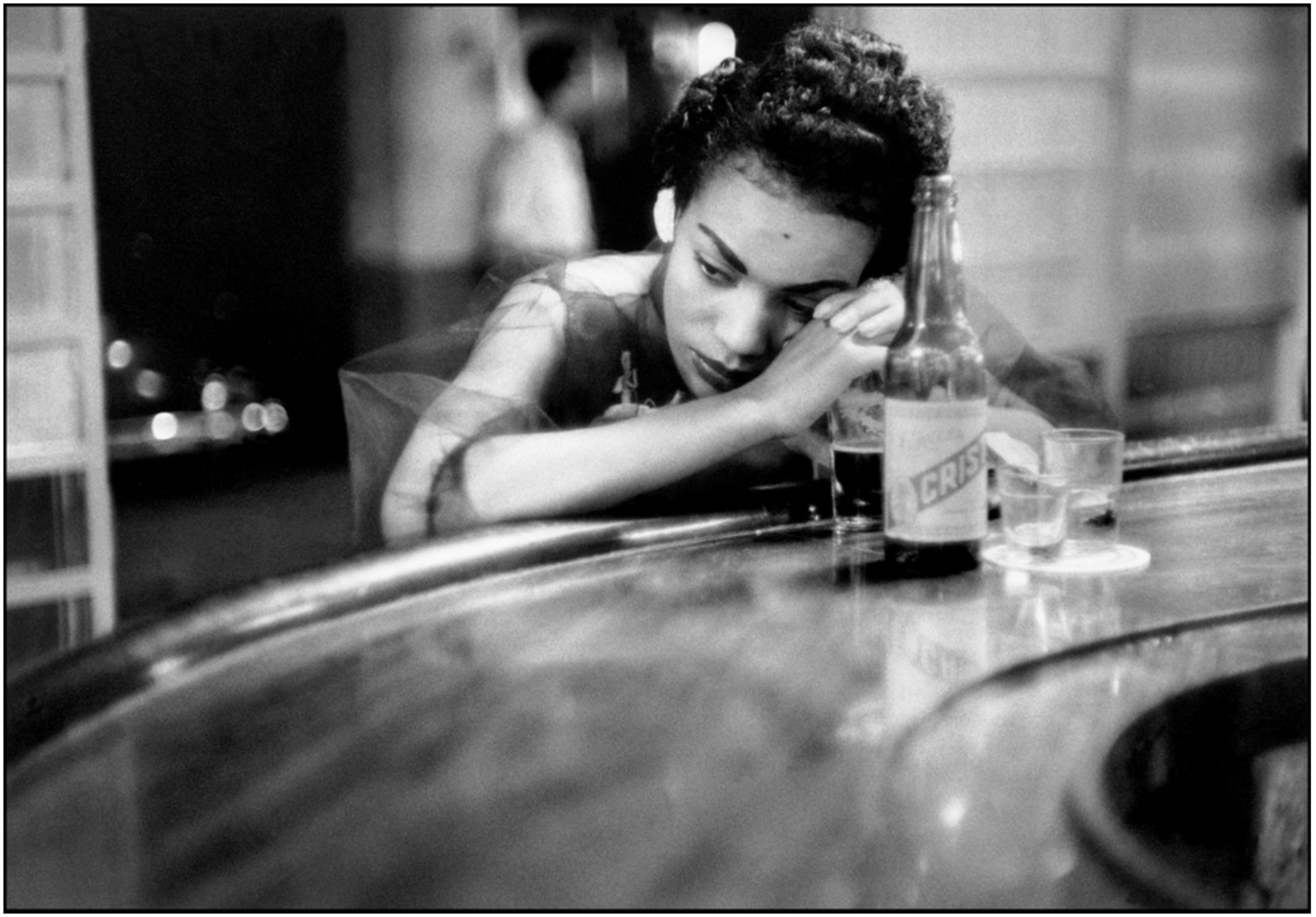

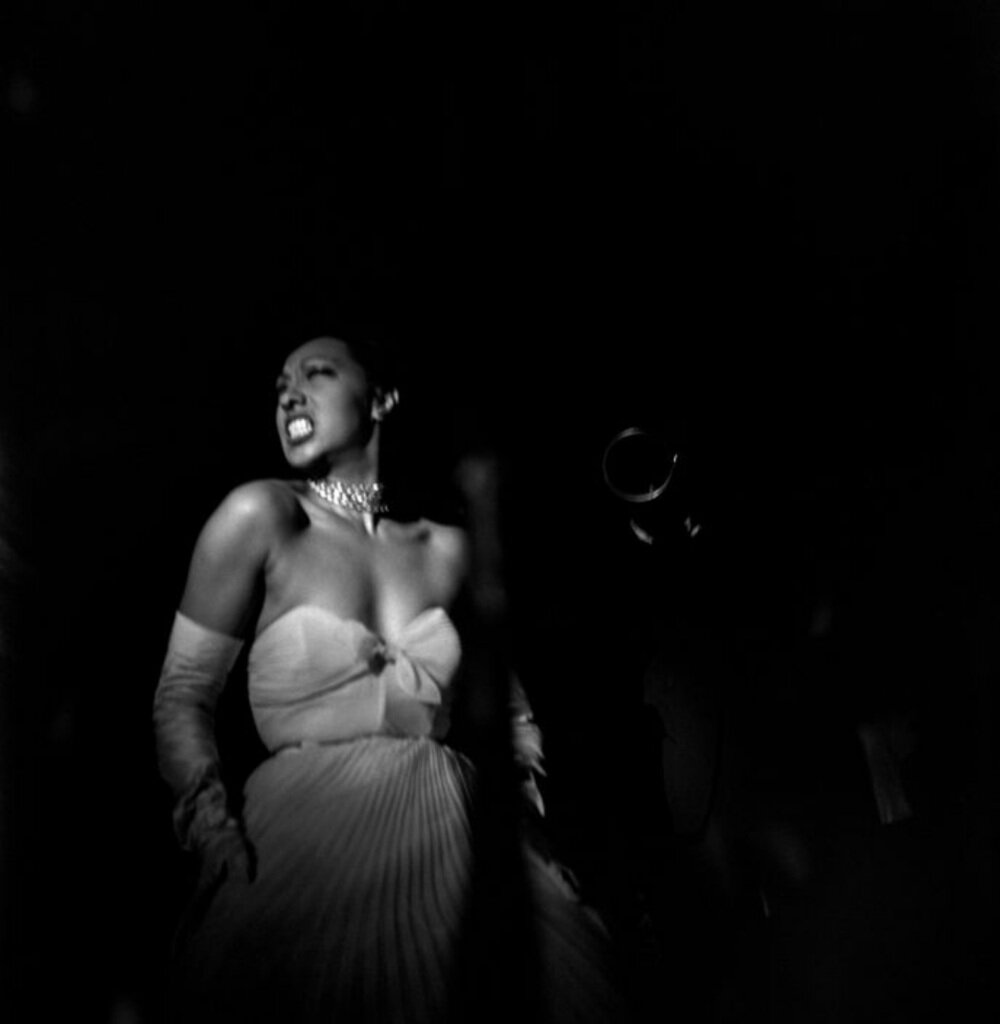
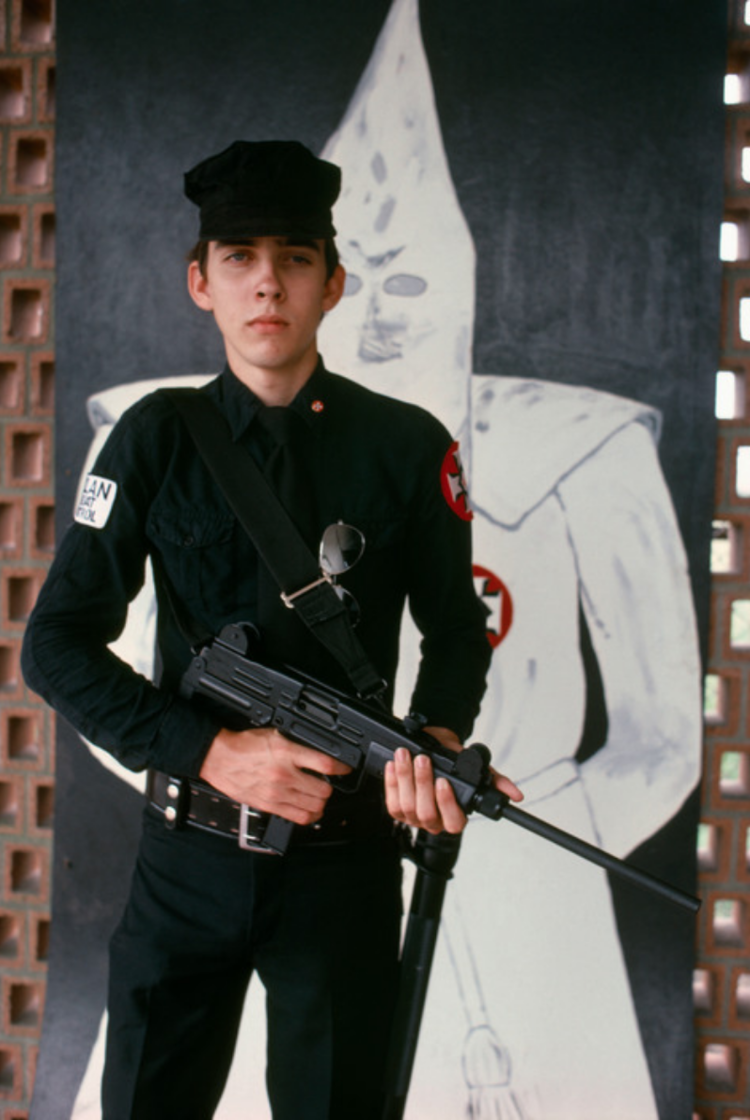
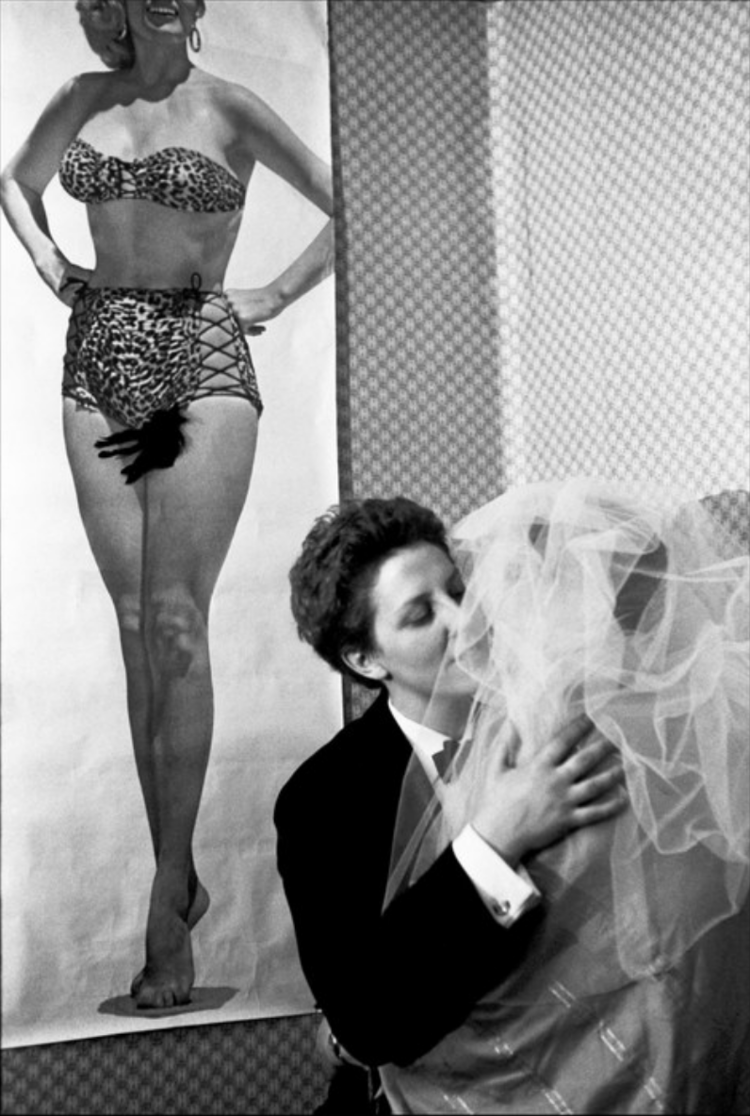
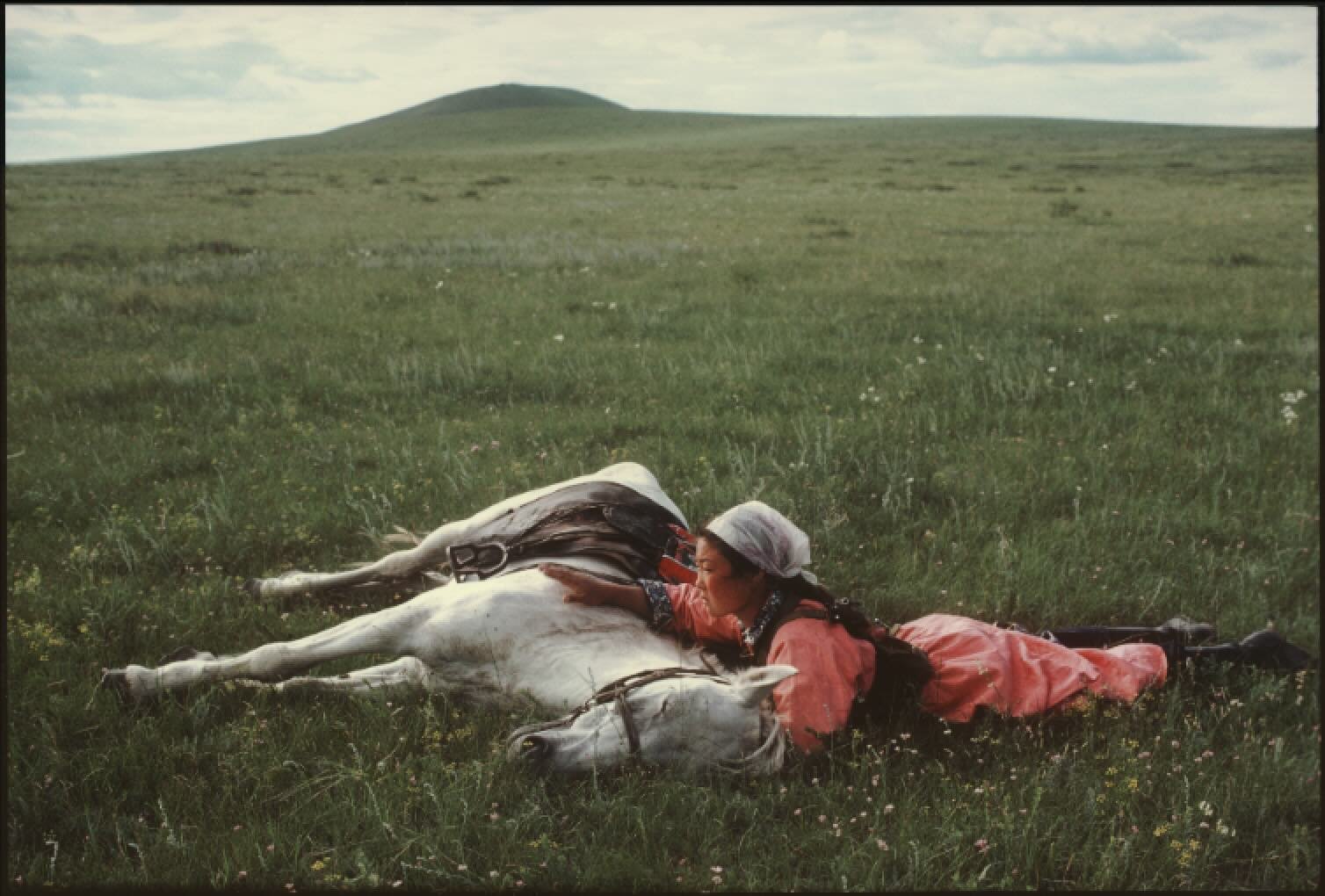
Driven by insatiable curiosity, Eve sought to capture the story behind the headline, the person behind the personality. Whether actors, politicians or marginalised communities, each was met with the same quiet, searching attention.
Robert Capa (co-founder of Magnum Photos) described Eve’s work as:
“Falling between Marlene Dietrich’s legs
and the bitter lives of migratory potato pickers.”

Marlene Dietrich in the recording studio, 1952. © Eve Arnold / Magnum

Migrant potato picker New York USA, 1951. © Eve Arnold / Magnum
“If a photographer cares about the people before the lens and is compassionate,
much is given. It is the photographer, not the camera, that is the instrument.”
Eve Arnold In The Press

"Eve's name is rarely printed without the prefix ‘legendary’.”
- The Guardian

“Legendary photographer Eve Arnold… known for her intimate portraits of stars like Marilyn Monroe as well as her groundbreaking documentary work.”
- CNN

“Whether photographing celebrity or the everyday, Arnold's portraits are magical, memorable and enduring.” - Time Magazine

“One of the 20th century’s foremost photographers and a pioneer of photojournalism.” - The Telegraph
Civil Rights in America
“She’s very well known for the famous people that she photographed,
but I don’t think that does her service, because that’s easy stuff. She did tough things.”
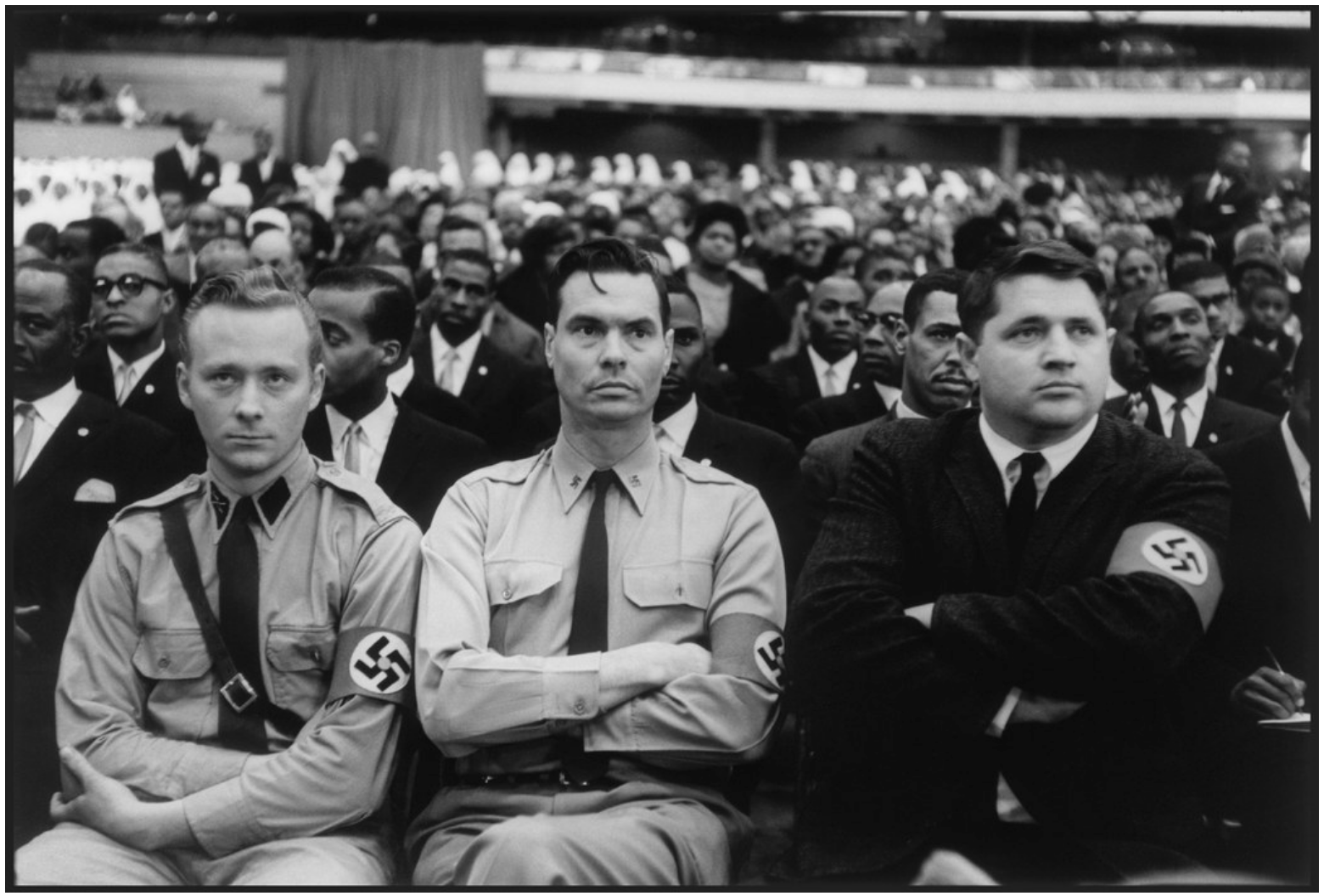
George Lincoln Rockwell, flanked by members of the American Nazi Party, listening to Malcolm X's speech at Black Muslims meeting held at the International Amphitheater. USA. Chicago. 1962 © Eve Arnold / Magnum
“The reason for this unholy alliance was that the Nazis and the Muslims had a common goal - to divide America between them. The Muslims would get the entire Eastern Seaboard, the Nazis the rest. When I raised the camera to photograph Rockwell and his men, he hissed at me. ‘I’ll make a bar of soap out of you.’ I hissed back, ‘As long it isn’t a lampshade,’ and kept on photographing.”
Over the coming weeks and months you’ll receive Eve’s timeless photography in your inbox. You’ll also hear Eve’s own accounts of how she captured these images.
For example, the time she escaped government chaperones in a Russian mental asylum, to capture images of political prisoners who were heavily sedated.

Retired woman. China. 1979. © Eve Arnold/Magnum Photos

Marilyn Monroe, studio sessions. Los Angeles, California. 1960. © Eve Arnold/Magnum Photos

Civil strike, Core group. Training activist not to react to provocation. Virginia, USA. 1960. © Eve Arnold/Magnum Photos